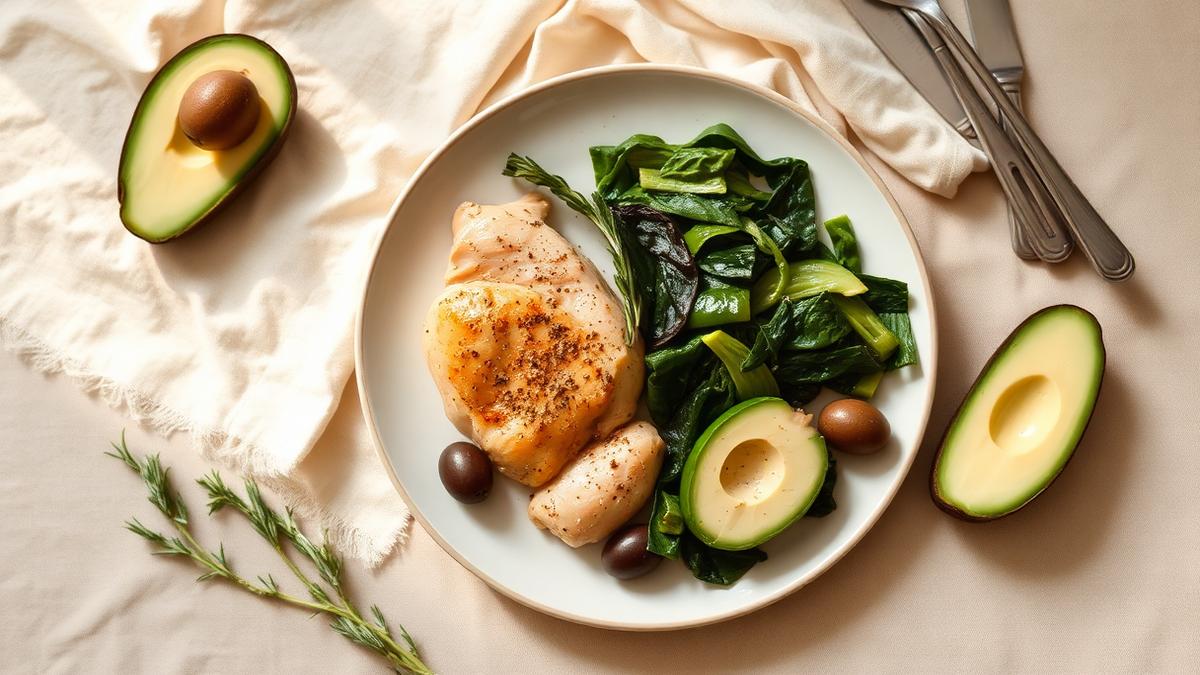
Recurrent yeast overgrowth (contested)
Candida Diet
A popular anti-yeast elimination — worth knowing what the evidence does and does not say.
- Core restriction
- Sugar, refined carbohydrate, alcohol, and usually yeast and mould
- Difficulty
- ●●●●●
- Check a food
- Open the food checker
A gentle reminder. This guide is for learning, not a prescription. Therapeutic diets interact with medication and conditions, so it's worth talking to your doctor or a registered dietitian before you begin.
A tidy few pages with the food lists, meal plan and reminders — good for the fridge door or the first appointment with your dietitian.
How it works
Candida albicans is a normal resident of the gut, mouth and vagina. In genuine overgrowth — oral thrush, invasive candidiasis, recurrent vulvovaginal candidiasis — antifungal medication is the treatment, not diet.
The candida diet is built on the plausible idea that dietary sugar feeds yeast. In practice, blood glucose is tightly regulated regardless of what you eat, and controlled evidence that diet changes candida colonisation in otherwise healthy people is very limited.
What it does deliver is a whole-food diet with almost no refined sugar or alcohol, which is why many people feel better on it. That improvement is real; the attribution to yeast is the contested part.
Nutrition at a glance
The most contested diet on this site — the sensible core is cutting added sugar and refined carbohydrate for a short trial.
- Trial length
- 3-4 weeks
- Longer has no added benefit
- Added sugar
- Removed
- The one change with a plausible rationale
- Refined carbohydrate
- Minimised
- White bread, pastry, sugary drinks
- Alcohol
- Removed during the trial
- Sugar plus yeast plus mucosal irritation
- Evidence base
- Weak
- No trials show diet clears candida overgrowth
Nutrients that often run short
- Fibre
- Calcium
- Whole-grain B vitamins
- Plant variety
These are the ones worth planning for — through food where you can, and through a supplement your clinician suggests where you can't.
Key cautions
None of this is meant to frighten you off. These are simply the things that most often catch people out on this diet — the ones worth raising at your next appointment.
- Talk to a clinician
Recurrent thrush deserves a real diagnosis
Repeat infections can signal undiagnosed diabetes, immune problems or a resistant species. Antifungal treatment and a swab beat a food list.
- Talk to a clinician
'Systemic candida' is not a recognised diagnosis
Invasive candidiasis is a serious hospital illness. The everyday fatigue-and-brain-fog version sold online has no diagnostic test behind it.
- Keep an eye on
Die-off symptoms are usually the diet, not the yeast
Headache and fatigue in week one match caffeine and carbohydrate withdrawal far better than any fungal mechanism.
- Keep an eye on
Don't let it become permanent
Months of yeast-free, fruit-free, grain-free eating is socially isolating and nutritionally narrow for no proven gain.
Used for
- Recurrent vulvovaginal candidiasis, as an adjunct to antifungals
- Oral thrush, alongside medical treatment
- Diabetes-associated yeast infections, where glycaemic control genuinely matters
- Self-reported 'candida overgrowth' symptoms — bloating, fatigue, brain fog, which have many other causes worth excluding first
What to eat
Eat freely
Non-starchy vegetables
- Leafy greens
- Broccoli
- Cauliflower
- Zucchini
- Asparagus
- Celery
- Cucumber
- Onion and garlic
Protein
- Eggs
- Chicken and turkey
- Fish
- Grass-fed beef and lamb
- Bone broth
Fats
- Olive oil
- Coconut oil
- Avocado
- Ghee
Low-sugar extras
- Lemon and lime
- Herbs and spices
- Apple cider vinegar
- Unsweetened plain yoghurt or coconut yoghurt
Eat with care
Reintroduce in phase two
- Low-sugar fruit — berries, green apple
- Gluten-free grains — quinoa, buckwheat, oat bran
- Starchy vegetables — sweet potato, squash, beetroot
- Legumes
- Nuts, watching for mould in older stock
Best to skip
Sugars
- Table sugar
- Honey and maple syrup
- Fruit juice
- Dried fruit
- High-sugar fruit
- Soft drinks
Refined carbohydrate
- White bread
- Pastries
- White pasta
- Most breakfast cereal
Yeast, mould and ferments (traditional version)
- Alcohol, especially beer and wine
- Bread with baker's yeast
- Aged cheese
- Mushrooms
- Peanuts and pistachios
- Vinegar-based condiments except apple cider vinegar
- Marmite and stock cubes
Three days of meals
Day 1
- Breakfast
- Two eggs with sauteed spinach and garlic in coconut oil.
- Lunch
- Grilled chicken salad with cucumber, celery, olive oil and lemon.
- Dinner
- Baked salmon with roasted broccoli and cauliflower.
- Snack
- Half an avocado with salt.
Day 2
- Breakfast
- Unsweetened coconut yoghurt with a tablespoon of ground flax.
- Lunch
- Turkey lettuce wraps with cucumber and herbs.
- Dinner
- Beef and zucchini stir fry with ginger and garlic.
- Snack
- Celery sticks with almond butter.
Day 3
- Breakfast
- Vegetable omelette with asparagus.
- Lunch
- Chicken and vegetable bone broth soup.
- Dinner
- Lamb chops with cauliflower mash and green salad.
- Snack
- A small handful of walnuts.
Getting started
- 1
Get the infection confirmed. Recurrent thrush should be swabbed and speciated — Candida glabrata does not respond to standard treatment.
- 2
Rule out the common mimics of 'candida symptoms': coeliac disease, SIBO, thyroid disease, iron deficiency and IBS.
- 3
Trial four weeks, not four months. If nothing changes, the hypothesis was wrong.
- 4
Skip the 'cleanse' products. Antifungal supplements are unregulated, and some are hepatotoxic.
- 5
If you have diabetes, focus on glucose control — that link to yeast infection is real and well documented.
Common mistakes
- Attributing 'die-off' symptoms to killed yeast when caffeine withdrawal and low carbohydrate intake explain them better.
- Staying on it for months, which becomes a socially isolating and nutritionally narrow diet.
- Buying expensive protocols and supplement stacks.
- Delaying real antifungal treatment for a confirmed infection.
- Assuming a negative response means you did it wrong, rather than that yeast was not the problem.
FAQs
Is the candida diet evidence based?
Honestly, not much. Reviews find little controlled evidence that diet changes gut candida in healthy people. It is a reasonable four-week self-experiment; it is not a treatment for a diagnosed infection.
Is 'die-off' real?
A Jarisch-Herxheimer-like reaction is documented for some infections, but the fatigue and headaches people report in week one of this diet are more consistent with carbohydrate and caffeine withdrawal.
Do I really have to avoid mushrooms and vinegar?
That part of the diet has no supporting evidence at all. Eating mould does not colonise you with candida. Most modern versions drop it.
Stacking with other diets
- Very close to keto in practice, minus the emphasis on very high fat.
- Overlaps with the SIBO diet on sugar and fermentable carbohydrate, though the reasoning differs.
- Conflicts with low histamine on garlic and vinegar, and with low FODMAP on onion and garlic.