Irritable bowel syndrome
Low FODMAP Diet
The best-evidenced diet for IBS — and it is meant to be temporary.
- Core restriction
- Fermentable oligo-, di-, mono-saccharides and polyols
- Difficulty
- ●●●●●
- Check a food
- Open the food checker
A gentle reminder. This guide is for learning, not a prescription. Therapeutic diets interact with medication and conditions, so it's worth talking to your doctor or a registered dietitian before you begin.
A tidy few pages with the food lists, meal plan and reminders — good for the fridge door or the first appointment with your dietitian.
How it works
FODMAPs are short-chain carbohydrates that are poorly absorbed in the small intestine. They draw water into the bowel osmotically, then get fermented rapidly by colonic bacteria into gas. In a sensitive gut, that distension is what produces pain and bloating.
Developed at Monash University, the diet runs in three phases: 2-6 weeks of restriction, then structured challenges of each FODMAP subgroup, then a personalised long-term diet that includes everything you tolerate.
Around 70% of people with IBS get meaningful symptom relief in the restriction phase. The phase that determines long-term quality of life, though, is reintroduction.
Nutrition at a glance
Low FODMAP is a three-phase diagnostic process, and phase one is the shortest part of it.
- Phase 1 elimination
- 2-6 weeks
- Never longer without a dietitian
- Phase 2 challenges
- 6-8 weeks
- One FODMAP group at a time, escalating doses
- Phase 3
- Personalised, long term
- The widest diet your gut allows
- Response rate
- ~70% of IBS
- One of the better-evidenced dietary therapies
- Fibre
- 25-30 g/day
- Low FODMAP does not mean low fibre
Nutrients that often run short
- Fibre
- Calcium
- Iron
- Prebiotics
- B vitamins
These are the ones worth planning for — through food where you can, and through a supplement your clinician suggests where you can't.
Key cautions
None of this is meant to frighten you off. These are simply the things that most often catch people out on this diet — the ones worth raising at your next appointment.
- Talk to a clinician
Get red flags investigated first
Weight loss, bleeding, anaemia, night symptoms or onset after 50 need investigation for coeliac disease, IBD and cancer before any IBS diet.
- Worth testing
Test for coeliac before cutting wheat
Coeliac serology is unreliable once gluten is already out of the diet.
- Keep an eye on
Phase one shrinks beneficial bacteria
Bifidobacteria fall measurably during elimination. That is acceptable for weeks and not for months.
- Keep an eye on
Most people are not sensitive to everything
The usual result is two or three problem groups, with the rest returning freely. Skipping challenges keeps you needlessly restricted.
Used for
- IBS — all subtypes
- Functional bloating and abdominal distension
- Symptom management in quiescent IBD
- Adjunct in SIBO management
- Endometriosis-associated bowel symptoms
What to eat
Eat freely
Vegetables
- Carrot
- Zucchini
- Cucumber
- Lettuce
- Bell pepper
- Green beans
- Potato
- Spinach
- Tomato
- Aubergine
Fruit
- Strawberry
- Blueberry
- Kiwi
- Orange
- Grapes
- Unripe banana
- Cantaloupe
- Pineapple
Protein
- All plain meat, fish and eggs
- Firm tofu
- Tempeh
Grains and dairy
- Rice
- Oats
- Quinoa
- Gluten-free bread
- Sourdough spelt
- Lactose-free milk and yoghurt
- Hard cheese
Eat with care
Portion determines everything
- Avocado — an eighth is low FODMAP, a half is not
- Sweet potato — half a cup only
- Almonds — ten nuts
- Broccoli heads yes, stalks no
- Butternut squash, beetroot, savoy cabbage in measured portions
Best to skip
Fructans and GOS
- Onion
- Garlic
- Wheat, rye and barley in quantity
- Beans and lentils
- Cashews and pistachios
- Chicory root and inulin
Excess fructose
- Apple
- Pear
- Mango
- Watermelon
- Honey
- High-fructose corn syrup
- Fruit juice
Lactose
- Milk
- Ice cream
- Soft cheese
- Regular yoghurt
Polyols
- Stone fruit
- Mushroom
- Cauliflower
- Sorbitol, mannitol, xylitol
- Sugar-free gum and mints
Three days of meals
Day 1
- Breakfast
- Oats with lactose-free milk, strawberries, maple syrup.
- Lunch
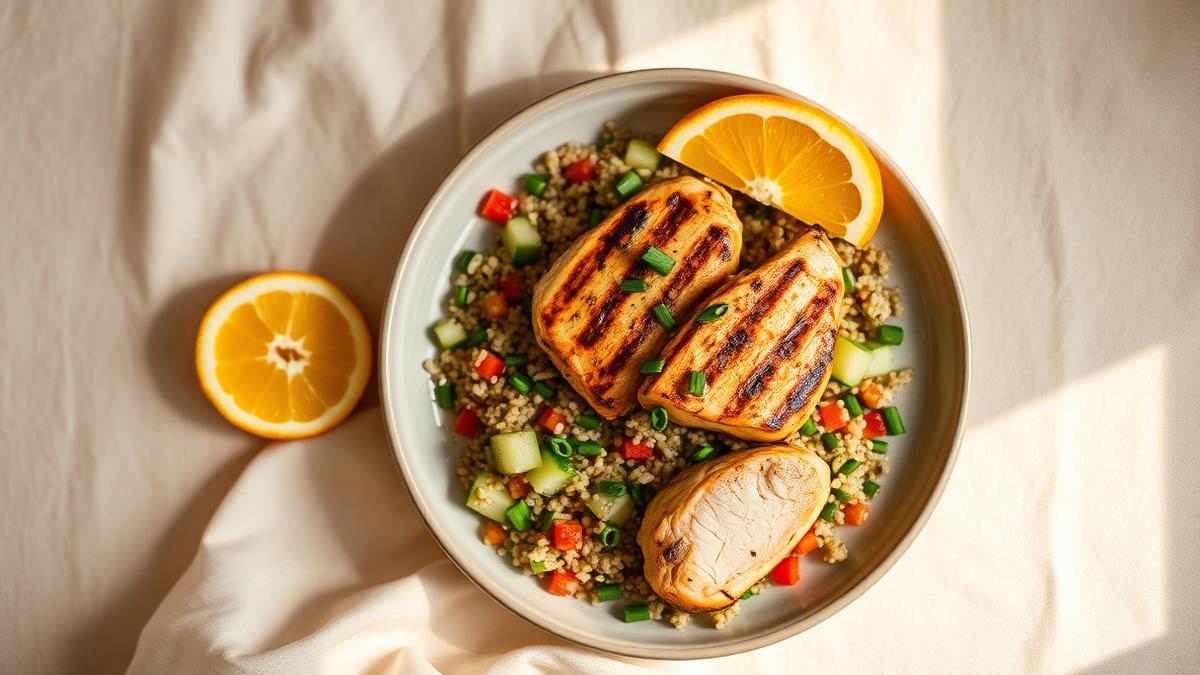
- Chicken and rice bowl with carrot, cucumber and sesame-free dressing.
- Dinner
- Steak, roast potato, green beans, garlic-infused oil.
- Snack
- Ten almonds and a kiwi.
Day 2
- Breakfast
- Two eggs on sourdough spelt toast with spinach.
- Lunch
- Tuna salad with lettuce, tomato and pepper on gluten-free bread.
- Dinner
- Prawn stir fry with bok choy, carrot and rice noodles, ginger and spring onion greens.
- Snack
- Lactose-free yoghurt with blueberries.
Day 3
- Breakfast
- Smoothie with unripe banana, lactose-free milk and peanut butter.
- Lunch
- Rice paper rolls with chicken, cucumber and mint.
- Dinner
- Baked salmon, quinoa, roasted zucchini and aubergine.
- Snack
- Orange.
Getting started
- 1
Get an IBS diagnosis first. Coeliac disease, IBD and colon cancer can present the same way and need excluding.
- 2
Use the Monash app. Thresholds are portion-based and change with testing; printed lists go stale.
- 3
Restrict for two to six weeks only — never longer without reintroduction.
- 4
Use garlic-infused oil. Fructans are water-soluble, not oil-soluble, so the flavour transfers and the FODMAP does not.
- 5
Challenge each subgroup separately: fructose, lactose, fructans, GOS, sorbitol, mannitol.
Common mistakes
- Living on the restriction phase indefinitely and shrinking your microbiome along with your food list.
- Treating it as gluten-free. Wheat is a fructan problem here, not a gluten problem.
- Ignoring portion size — most FODMAP foods are dose dependent.
- Doing challenges while stressed, ill, or menstruating and getting uninterpretable results.
- Forgetting the non-diet drivers: sleep, stress and gut-brain therapies work at least as well for many.
FAQs
How long is the restriction phase?
Two to six weeks. If there is no improvement in six weeks, FODMAPs are not your trigger and you should stop.
Can I eat gluten?
Yes, if you do not have coeliac disease. Sourdough spelt and small portions of wheat are often fine because the issue is fructan load.
Do I need a dietitian?
It roughly doubles success rates, mostly because reintroduction is where people go wrong on their own.
Stacking with other diets
- Low FODMAP is the backbone of most SIBO diets.
- Low FODMAP plus gluten-free is easy — most gluten-free grains are low FODMAP.
- Low FODMAP plus low histamine is very restrictive; do them in sequence, not together.