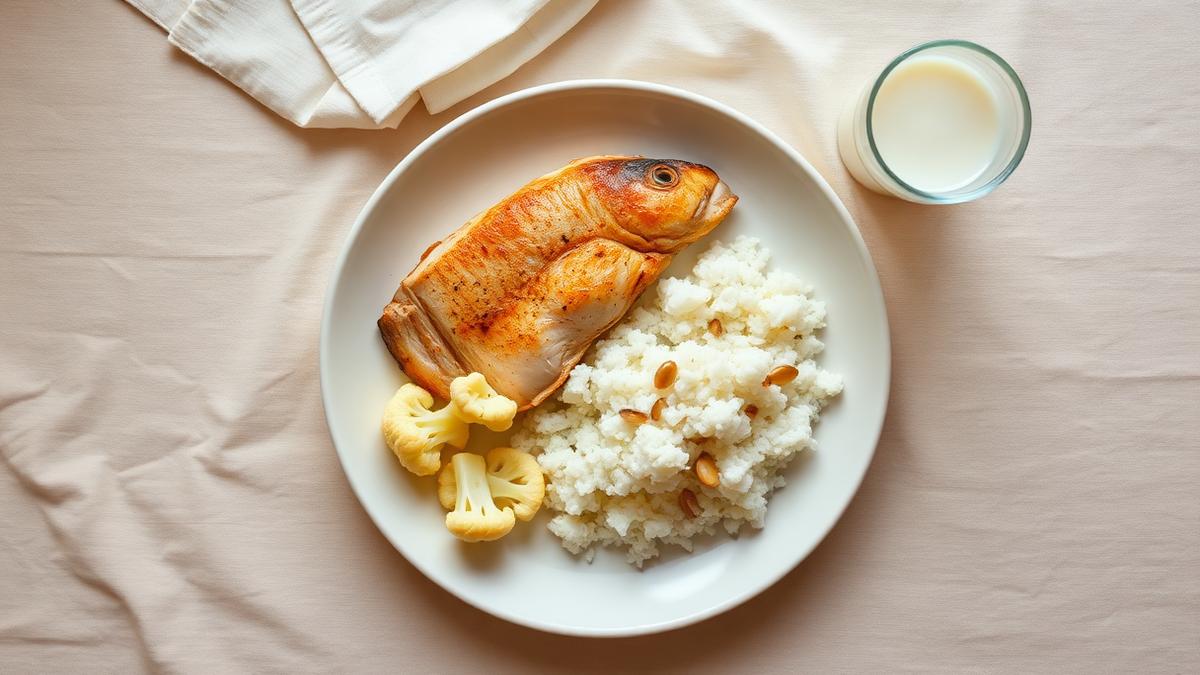
Calcium oxalate kidney stones, oxalate sensitivity
Low Oxalate Diet
Cut the plant compound that crystallises into kidney stones.
- Core restriction
- Under 40-50 mg oxalate/day, spread across meals
- Difficulty
- ●●●●●
- Check a food
- Open the food checker
A gentle reminder. This guide is for learning, not a prescription. Therapeutic diets interact with medication and conditions, so it's worth talking to your doctor or a registered dietitian before you begin.
A tidy few pages with the food lists, meal plan and reminders — good for the fridge door or the first appointment with your dietitian.
How it works
Oxalate is a small molecule made by many plants and also produced by your own liver. In the gut it binds calcium; in the kidney, unbound oxalate binds calcium in urine and can crystallise into calcium oxalate stones — the most common stone type by a wide margin.
The counterintuitive part: eating more calcium with meals lowers stone risk, because calcium binds oxalate in the intestine so it leaves in stool rather than urine. Low-calcium diets make oxalate stones worse, not better.
People with fat malabsorption, gastric bypass, or inflammatory bowel disease absorb far more oxalate than average — a condition called enteric hyperoxaluria — which is why the same spinach salad is harmless for one person and a stone-former for another.
Nutrition at a glance
Oxalate targets are cumulative across the day, and calcium timing matters as much as the total.
- Oxalate
- 40-50 mg/day
- Spread across meals, not saved up
- Calcium
- 1000-1200 mg/day
- Eaten with meals so it binds oxalate in the gut
- Fluid
- 2.5-3 L/day
- Aim for pale urine and 2+ L output
- Sodium
- Under 2300 mg/day
- High sodium pushes calcium into urine
- Vitamin C
- Under 500 mg/day
- Excess converts to oxalate
Nutrients that often run short
- Magnesium
- Vitamin C (from food only)
- Fibre
- Plant variety
These are the ones worth planning for — through food where you can, and through a supplement your clinician suggests where you can't.
Key cautions
None of this is meant to frighten you off. These are simply the things that most often catch people out on this diet — the ones worth raising at your next appointment.
- Talk to a clinician
Cutting calcium backfires
Low-calcium eating raises stone risk because unbound oxalate is absorbed instead. Calcium is part of the treatment, not a competing risk.
- Worth testing
Get your stone type confirmed
Only calcium-oxalate stones respond to this diet. Uric acid, struvite and cystine stones need completely different management.
- Keep an eye on
Oxalate dumping is not an established phenomenon
There is little evidence for a rebound syndrome when you cut oxalate quickly, but a gradual reduction over a few weeks is easier on the gut either way.
- Keep an eye on
Keto and low-oxalate collide
Almond flour, spinach and chia are keto staples and oxalate bombs. Doing both diets means swapping to coconut flour, cabbage and romaine.
Used for
- Recurrent calcium oxalate kidney stones
- Enteric hyperoxaluria after bariatric surgery or with fat malabsorption
- Primary hyperoxaluria (genetic), as part of specialist management
- Inflammatory bowel disease with a stone history
- Reported vulvodynia and joint pain relief, though the evidence here is weak and contested
What to eat
Eat freely
Very low oxalate vegetables
- Cabbage
- Cauliflower
- Cucumber
- Mushrooms
- Onion
- Peas
- Iceberg and romaine lettuce
- Zucchini
- Bok choy
Fruit
- Apple (peeled)
- Banana
- Melon
- Grapes
- Cherries
- Peaches
- Mango
Protein and dairy
- All meat, poultry and fish
- Eggs
- Milk, yoghurt and cheese — eat them with meals
Grains
- White rice
- Sourdough white bread
- Corn tortillas in moderation
- Oat bran is lower than whole oats
Eat with care
Moderate oxalate — small portions, always with calcium
- Carrots, celery, tomato, green beans, broccoli
- Blueberries, strawberries, oranges
- Coffee and black tea — one to two cups
- Corn, wheat bread, brown rice
- Dark chocolate in very small amounts
Best to skip
The high-oxalate hall of fame
- Spinach
- Swiss chard
- Beet greens and beets
- Rhubarb
- Sorrel
- Amaranth greens
- Purslane
Nuts and seeds
- Almonds and almond flour
- Cashews
- Peanuts and peanut butter
- Sesame and tahini
- Chia in quantity
Other heavy hitters
- Soy products including tofu and soy milk
- Wheat bran
- Buckwheat
- Sweet potato
- Potato skins
- Cocoa powder
- Star fruit
- Excess vitamin C supplements above 500 mg
Three days of meals
Day 1
- Breakfast
- Scrambled eggs with mushrooms and cheese, a glass of milk, half a banana.
- Lunch
- Roast chicken over romaine with cucumber, yoghurt-dill dressing, white roll.
- Dinner
- Baked cod, white rice, buttered cabbage.
- Snack
- Greek yoghurt with peach slices.
Day 2
- Breakfast
- Cottage cheese with melon and a drizzle of honey.
- Lunch
- Turkey and cheese sandwich on sourdough white with iceberg.
- Dinner
- Pork chop, cauliflower mash with butter and cream, peas.
- Snack
- Apple slices with a cheese stick.
Day 3
- Breakfast
- Omelette with onion and pepper jack, glass of milk.
- Lunch
- Rice bowl with grilled shrimp, zucchini and lime.
- Dinner
- Beef stir fry with cabbage and bok choy over white rice.
- Snack
- Grapes and a small yoghurt.
Getting started
- 1
Ask for a 24-hour urine collection first. It tells you whether oxalate is actually your problem — plenty of stone formers have a calcium, citrate or volume problem instead.
- 2
Drink enough to produce 2.5 litres of urine a day. Fluid volume beats every dietary change for stone prevention.
- 3
Pair calcium with oxalate at the same meal: 300-400 mg of dietary calcium per meal, from food rather than supplements taken alone.
- 4
Add citrate — lemon juice in water, or prescribed potassium citrate — which inhibits crystal formation.
- 5
Cut sodium. High salt drives calcium into urine and raises stone risk independently.
Common mistakes
- Avoiding dairy 'because stones are made of calcium'. This is backwards and increases oxalate absorption.
- Switching from wheat to almond flour for health reasons, and quintupling oxalate intake.
- Megadosing vitamin C, which the body converts to oxalate.
- Focusing only on spinach while drinking six cups of black tea a day.
- Cutting oxalate to near zero. Very low intake is unnecessary, socially miserable, and strips out useful plant foods.
FAQs
Does boiling reduce oxalate?
Yes, meaningfully. Boiling and discarding the water can remove 30-60% of soluble oxalate from vegetables. Steaming removes far less; roasting removes almost none.
Is 'oxalate dumping' real?
The idea that cutting oxalate too fast causes a flare of symptoms is popular online and has essentially no controlled evidence behind it. Reducing gradually is harmless advice regardless.
How low do I need to go?
Most guidance lands at 40-50 mg a day for stone formers, versus a typical Western intake of 150-250 mg. Extreme restriction is not supported.
Stacking with other diets
- Low oxalate is the hardest partner for keto, vegan and paleo diets, all of which lean on nuts, seeds, spinach and sweet potato.
- Low oxalate plus low FODMAP is workable — cabbage, carrot and rice are shared safe foods.
- If you also have IBD or short bowel, treat fat malabsorption first; it drives oxalate absorption more than diet does.