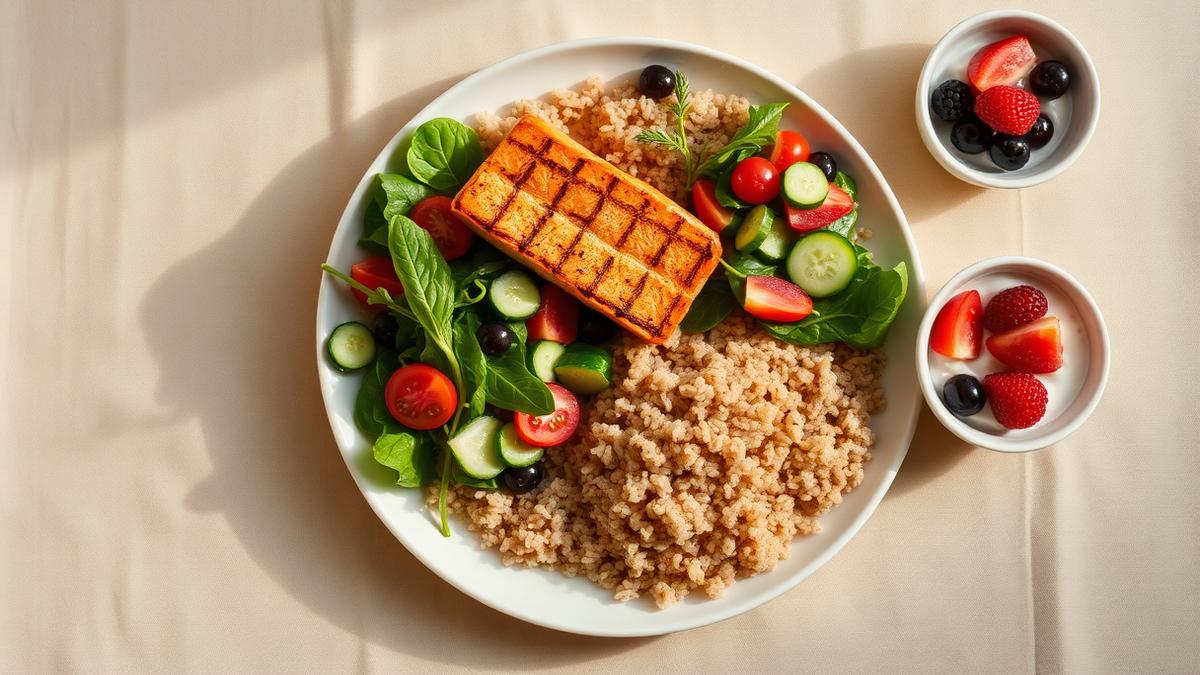
Hypertension, cardiovascular risk
DASH Diet
The most evidence-backed eating pattern for blood pressure, full stop.
- Core restriction
- Sodium under 1500-2300 mg/day; saturated fat limited
- Difficulty
- ●●●●●
- Check a food
- Open the food checker
A gentle reminder. This guide is for learning, not a prescription. Therapeutic diets interact with medication and conditions, so it's worth talking to your doctor or a registered dietitian before you begin.
A tidy few pages with the food lists, meal plan and reminders — good for the fridge door or the first appointment with your dietitian.
How it works
Dietary Approaches to Stop Hypertension came out of NIH-funded trials in the 1990s. Cutting sodium while sharply raising potassium, magnesium and calcium from food lowered systolic blood pressure by 8-14 mmHg — comparable to a first-line antihypertensive drug.
The mechanism is partly sodium-potassium balance at the kidney, partly vascular effects of nitrate-rich vegetables, and partly weight and insulin sensitivity.
Unlike almost every other diet on this site, DASH is a pattern rather than an elimination. Nothing is banned; proportions change.
Nutrition at a glance
The best-studied eating pattern for blood pressure, and one of the few here designed for permanent use.
- Sodium
- 1500-2300 mg/day
- 1500 mg gives the bigger drop
- Vegetables and fruit
- 8-10 servings/day
- The engine of the pattern
- Potassium
- ~4700 mg/day
- From food, unless your kidneys say otherwise
- Saturated fat
- Under 6% of calories
- Low-fat dairy, lean protein
- Expected effect
- -8 to -14 mmHg systolic
- Within about two weeks
Nutrients that often run short
- Iodine if salt intake drops sharply
- Vitamin B12 if meat is minimal
- Iron
These are the ones worth planning for — through food where you can, and through a supplement your clinician suggests where you can't.
Key cautions
None of this is meant to frighten you off. These are simply the things that most often catch people out on this diet — the ones worth raising at your next appointment.
- Talk to a clinician
High-potassium eating is unsafe in advanced kidney disease
DASH is deliberately potassium-rich. In CKD stages 3-5 that conflicts directly with renal targets — the renal diet wins.
- Worth testing
Blood pressure medication may need reducing
The drop can be large enough to cause dizziness on existing doses. Home readings and a review after a few weeks are sensible.
- Keep an eye on
Three-quarters of sodium comes from packaged food
Bread, sauces, deli meat and restaurant meals matter far more than the salt shaker.
- Keep an eye on
Taste adapts in about two weeks
Food tastes flat at first. Acid, herbs and heat carry the gap while your palate resets.
Used for
- Hypertension and pre-hypertension
- Cardiovascular disease prevention
- Metabolic syndrome and type 2 diabetes
- Non-alcoholic fatty liver disease
- Gout, where DASH shows a reduction in urate
What to eat
Eat freely
Vegetables — 4-5 servings/day
- Leafy greens
- Broccoli
- Carrot
- Tomato
- Peppers
- Sweet potato
- Beetroot
- Green beans
Fruit — 4-5 servings/day
- Berries
- Banana
- Orange
- Apple
- Melon
- Grapes
Whole grains — 6-8 servings/day
- Oats
- Brown rice
- Wholemeal bread
- Quinoa
- Barley
Low-fat dairy and lean protein
- Skimmed milk and yoghurt
- Fish, especially oily fish twice a week
- Skinless poultry
- Beans and lentils
- Unsalted nuts 4-5 times a week
Eat with care
Limit rather than eliminate
- Red meat — a few times a week at most
- Sweets — five or fewer servings a week
- Alcohol — one to two drinks a day maximum
- Cheese, which is a major hidden sodium source
- Bread, which contributes more sodium than most people realise
Best to skip
Sodium bombs
- Processed and cured meat
- Tinned soup and stock cubes
- Instant noodles
- Salted snacks
- Soy sauce and bottled sauces
- Most takeaway and restaurant meals
Saturated fat and sugar
- Fried food
- Pastries and cakes
- Full-fat processed dairy
- Sugar-sweetened drinks
- Fatty processed meat
Three days of meals
Day 1
- Breakfast
- Oats with skimmed milk, banana and unsalted walnuts.
- Lunch
- Lentil and vegetable soup with wholemeal roll, side salad.
- Dinner
- Grilled salmon, quinoa, roasted broccoli and carrot with lemon.
- Snack
- Apple and plain low-fat yoghurt.
Day 2
- Breakfast
- Wholegrain toast with avocado and tomato, no added salt.
- Lunch
- Chickpea salad with cucumber, pepper, herbs and olive oil.
- Dinner
- Chicken breast with sweet potato and green beans, garlic and paprika.
- Snack
- Orange and unsalted almonds.
Day 3
- Breakfast
- Yoghurt with berries and oat granola, unsweetened.
- Lunch
- Brown rice bowl with black beans, corn, salsa and coriander.
- Dinner
- Baked white fish, barley pilaf, roasted beetroot and rocket.
- Snack
- Carrot sticks and hummus.
Getting started
- 1
Track sodium for one week before changing anything. Most of it comes from bread, processed meat, cheese and restaurant food, not the salt shaker.
- 2
Aim for 2300 mg sodium first, then 1500 mg if your doctor advises it.
- 3
Add before you subtract: get to 8-10 servings of fruit and vegetables and the rest follows.
- 4
Cook more meals at home — this is the single biggest sodium lever available.
- 5
Measure blood pressure at home twice daily for two weeks to see the change; effects appear within two weeks.
Common mistakes
- Focusing on table salt while eating processed food, which is 70% of dietary sodium.
- Missing the potassium half of the equation — DASH works through both.
- Using potassium salt substitutes without checking kidney function.
- Buying 'heart healthy' processed foods rather than cooking.
- Giving up because the food tastes flat in week one; salt taste adapts in two to three weeks.
FAQs
How much can DASH lower blood pressure?
In trials, 8-14 mmHg systolic for the full pattern with sodium reduction — comparable to a single antihypertensive medication, and additive with one.
Is DASH or Mediterranean better?
They overlap heavily. DASH has stronger direct blood pressure trial data; Mediterranean has stronger cardiovascular outcome data. Either is defensible.
Can I stop my blood pressure medication?
Not on your own. Doses often can be reduced once blood pressure comes down, but that is your prescriber's decision.
Stacking with other diets
- DASH is the most compatible diet here — it stacks with gluten-free, low FODMAP and GERD approaches with small adjustments.
- Directly conflicts with advanced CKD renal diets, because DASH deliberately maximises potassium.
- Conflicts with keto on grains and fruit; a low-sodium Mediterranean-keto hybrid is a common compromise.