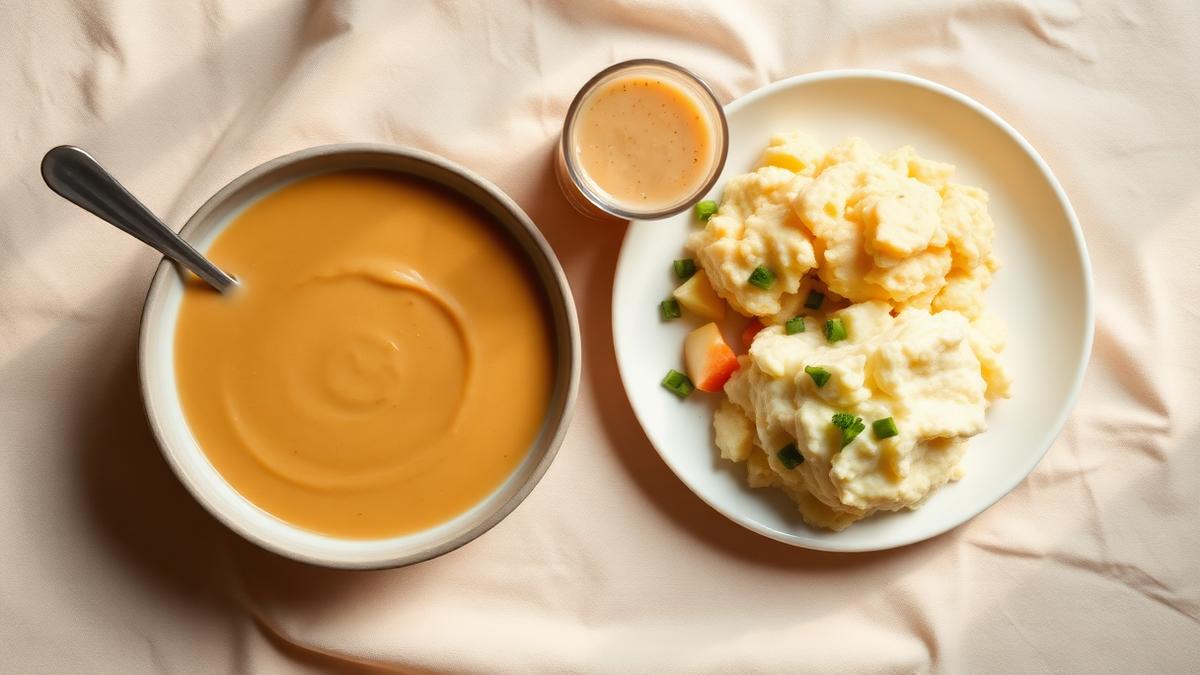
Delayed gastric emptying
Gastroparesis Diet
Small, soft, low fat, low fibre — because the stomach empties too slowly.
- Core restriction
- Fat, fibre, meal volume and solid texture
- Difficulty
- ●●●●●
- Check a food
- Open the food checker
A gentle reminder. This guide is for learning, not a prescription. Therapeutic diets interact with medication and conditions, so it's worth talking to your doctor or a registered dietitian before you begin.
A tidy few pages with the food lists, meal plan and reminders — good for the fridge door or the first appointment with your dietitian.
How it works
In gastroparesis the stomach empties slowly without any physical blockage, usually from vagus nerve damage in diabetes, after surgery, or idiopathically. Food sits, ferments and produces nausea, early fullness, bloating and vomiting of undigested food.
Fat and fibre both slow gastric emptying further — fat via hormonal signalling, fibre by forming a bulk that can even harden into a bezoar. Liquids empty by gravity and pressure, so they usually pass when solids do not.
The diet steps through three levels: liquids during severe symptoms, soft blended solids as things improve, then small low-fat low-fibre meals as maintenance.
Nutrition at a glance
Texture and fat drive stomach emptying, so the diet steps up and down with your symptoms rather than staying fixed.
- Fat
- Under 40 g/day from solids
- Liquid fat is usually tolerated better
- Fibre
- Under 10 g/day
- Fibre forms bezoars in a slow stomach
- Meal size
- 1-1.5 cups
- Volume matters more than content
- Meals per day
- 5-6 small
- Plus sipped liquids between
- After eating
- Stay upright 1-2 h
- Gravity does real work here
Nutrients that often run short
- Calories
- Protein
- Iron
- B12
- Vitamin D
- Fibre
These are the ones worth planning for — through food where you can, and through a supplement your clinician suggests where you can't.
Key cautions
None of this is meant to frighten you off. These are simply the things that most often catch people out on this diet — the ones worth raising at your next appointment.
- Talk to a clinician
Malnutrition is the real risk, not any single food
Weight loss, dehydration and vomiting that stops you keeping fluids down need medical review, sometimes with tube feeding.
- Talk to a clinician
Erratic glucose in diabetic gastroparesis
Unpredictable emptying makes insulin timing hard and drives both hypos and highs. This needs a diabetes team, not a food list alone.
- Worth testing
Some medications slow the stomach further
Opioids, GLP-1 agonists and anticholinergics all delay emptying — worth reviewing with your prescriber.
- Keep an eye on
Liquid calories are a legitimate meal
When solids fail, shakes and strained soup keep weight on. Step back up to solids as symptoms settle.
Used for
- Diabetic gastroparesis
- Idiopathic and post-viral gastroparesis
- Post-surgical vagal nerve injury
- Gastroparesis from connective tissue disease or Parkinson's
- Functional dyspepsia with delayed emptying
What to eat
Eat freely
Liquids and purees
- Broth and strained soup
- Smooth nutrition drinks
- Milk or lactose-free milk
- Fruit and vegetable purees
- Smooth yoghurt
- Diluted juice
Soft low-fat protein
- Egg
- Skinless chicken and turkey, minced or moist
- White fish
- Tofu
- Low-fat cottage cheese
Low fibre starch
- White bread
- White rice
- Pasta
- Cream of wheat
- Peeled mashed potato
- Saltines
Soft fruit and vegetables
- Banana
- Applesauce
- Tinned peaches
- Well-cooked peeled carrot
- Pumpkin puree
- Strained tomato
Eat with care
Depends on the day
- Fat — some people tolerate liquid fat in shakes even when they cannot tolerate fried food
- Carbonated drinks
- Larger portions late in the day, when emptying is usually slower
- Coffee and alcohol, both of which affect motility
Best to skip
High fibre
- Raw vegetables
- Skins and peels
- Whole grains and bran
- Beans and lentils
- Nuts and seeds
- Popcorn
- Oranges and pith
- Persimmon, a classic bezoar risk
High fat solids
- Fried food
- Fatty red meat
- Pizza
- Cream sauces
- Pastries
- Full-fat cheese in quantity
Tough textures
- Steak and gristly meat
- Crusty bread
- Dried fruit
- Sweetcorn
- Coconut
Three days of meals
Day 1 — mostly liquid
- Breakfast
- Smooth nutrition shake, sipped over 30 minutes.
- Lunch
- Strained chicken broth with pureed carrot.
- Dinner
- Blended potato and chicken soup, thinned with broth.
- Snacks
- Diluted juice, smooth yoghurt — six small intakes total.
Day 2 — soft solids
- Breakfast
- Cream of wheat with skimmed milk.
- Lunch
- Scrambled egg with white toast, small portion.
- Dinner
- Minced chicken with mashed peeled potato and pumpkin puree.
- Snacks
- Applesauce; banana half.
Day 3 — small low-fat meals
- Breakfast
- Low-fat yoghurt with a small banana.
- Lunch
- White fish with white rice and well-cooked carrot.
- Dinner
- Pasta with strained tomato sauce and minced turkey.
- Snacks
- Saltines; tinned peaches. Five to six eating occasions.
Getting started
- 1
Eat five to six small meals rather than three. Volume is the single biggest lever.
- 2
Chew thoroughly and stay upright for at least an hour after eating; a short walk helps emptying.
- 3
Prioritise liquid calories when solids fail. Malnutrition is the real risk in gastroparesis, not any individual food.
- 4
If you have diabetes, tight glucose control matters directly — hyperglycaemia itself slows gastric emptying.
- 5
Ask about prokinetics and antiemetics. Diet alone often is not enough.
Common mistakes
- Eating a normal-sized meal on a good day and paying for it for two days.
- Adding fibre to fix the constipation this diet causes — treat that with medication instead, on advice.
- Losing weight silently. Track it weekly and escalate early.
- Ignoring dehydration during vomiting episodes.
- Assuming the diet plan is fixed; tolerance fluctuates and levels should move with symptoms.
FAQs
Why can I drink but not eat?
Liquid emptying is largely driven by pressure and gravity and is often preserved even when the antral contractions that grind solids are impaired.
Are smoothies fine?
Often yes, if strained or low fibre. Blending shrinks particle size, which is exactly what a weak stomach needs — but blended high-fibre fruit can still be a problem.
Is it permanent?
Post-viral cases often improve over months. Diabetic gastroparesis tends to be chronic and fluctuating.
Stacking with other diets
- Overlaps almost entirely with the low fibre diet, with the addition of a fat restriction.
- Conflicts with keto's high fat intake, which will worsen emptying.
- Combines with low FODMAP for gastroparesis plus IBS, but the resulting list is narrow enough to need dietitian oversight.