High cholesterol, hypertension, cardiovascular prevention
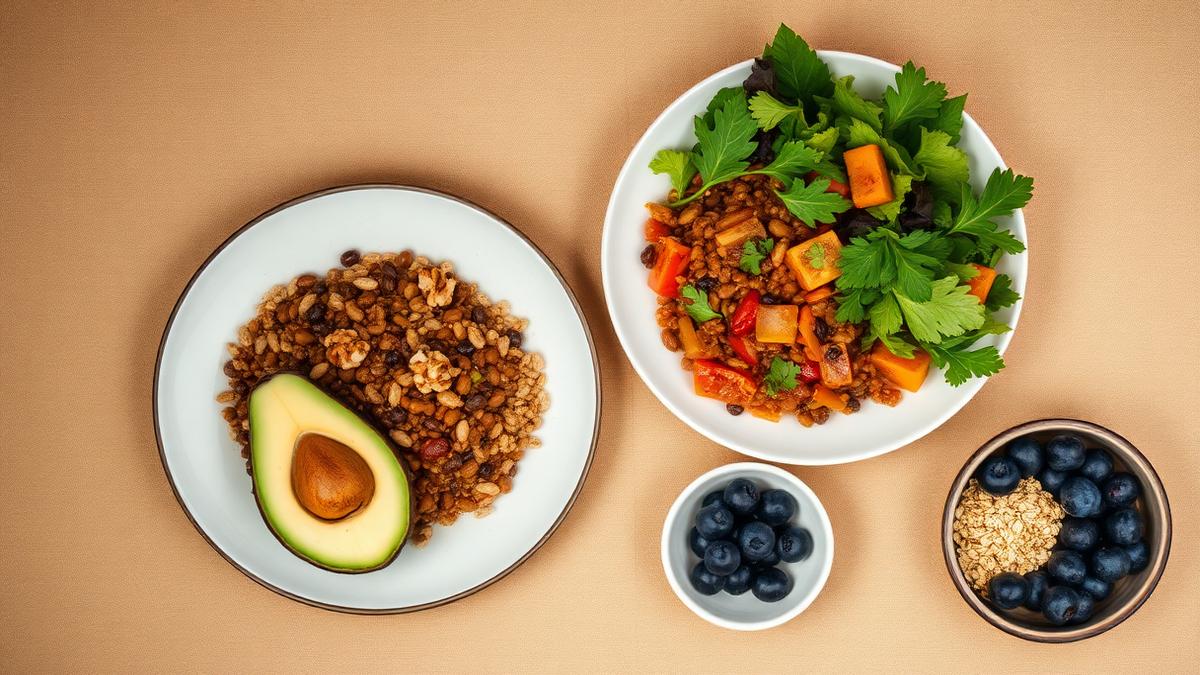
Vegetarian Heart-Health Diet
A meat-free pattern built around fibre, unsaturated fat and much less salt — the combination with the best evidence for blood pressure and cholesterol.
- Core restriction
- No meat or fish; low saturated fat and low sodium
- Difficulty
- ●●●●●
- Check a food
- Open the food checker
A gentle reminder. This guide is for learning, not a prescription. Therapeutic diets interact with medication and conditions, so it's worth talking to your doctor or a registered dietitian before you begin.
A tidy few pages with the food lists, meal plan and reminders — good for the fridge door or the first appointment with your dietitian.
How it works
Two things drive LDL cholesterol down on this pattern. Removing meat and full-fat dairy cuts saturated fat, which is the main dietary lever on LDL. Adding soluble fibre — oats, barley, beans, psyllium, apples — binds bile acids in the gut so the liver pulls cholesterol out of the blood to make more.
Blood pressure falls for a separate reason: potassium goes up and sodium goes down. Beans, leafy greens, potatoes and fruit are potassium-rich, and cooking from scratch removes the packaged foods that supply most people's salt.
Plant sterols in nuts, seeds and vegetable oils block cholesterol absorption, and swapping butter for olive oil, nuts and avocado replaces saturated fat with monounsaturated fat rather than with refined starch — which is what makes the swap actually work.
The catch is omega-3. Without fish you rely on ALA from walnuts, flax and rapeseed oil, which converts to EPA and DHA only inefficiently. An algae-derived supplement closes that gap.
Nutrition at a glance
The targets below are the ones cardiology guidelines actually use — fibre and sodium do most of the work.
- Saturated fat
- <7% of calories
- Roughly 15 g a day; cheese is usually the culprit
- Sodium
- 1500-2300 mg/day
- Lower end if your blood pressure is already high
- Fibre
- 25-35 g/day
- Including 5-10 g of soluble fibre from oats, beans and psyllium
- Protein
- 0.8-1.0 g/kg
- Legumes, soy, eggs or dairy at most meals
- Omega-3 (EPA+DHA)
- 250-500 mg/day
- Algae-derived, since there is no fish in the pattern
Nutrients that often run short
- Vitamin B12
- Iron
- Zinc
- Omega-3 EPA/DHA
- Vitamin D
- Iodine
These are the ones worth planning for — through food where you can, and through a supplement your clinician suggests where you can't.
Key cautions
None of this is meant to frighten you off. These are simply the things that most often catch people out on this diet — the ones worth raising at your next appointment.
- Talk to a clinician
Diet complements medication, it does not replace it
Never stop or reduce a statin or blood pressure tablet because your eating has improved. Bring the new numbers to your prescriber and let them adjust.
- Talk to a clinician
B12 must be supplemented
A long-term vegetarian diet without B12 risks irreversible nerve damage that can appear before anaemia does. 250 mcg daily or 2000 mcg weekly.
- Worth testing
Lipids at baseline and twelve weeks
This is a diet you can measure. If LDL has not moved at all after three months, saturated fat is usually still hiding somewhere — most often in cheese.
- Worth testing
Ferritin, especially for menstruating women
Non-haem iron absorbs less readily. Pair iron-rich plants with vitamin C and keep tea away from meals; check ferritin yearly.
- Keep an eye on
Potassium if you have kidney disease
Beans, greens and potatoes are the point of this pattern and exactly what CKD stages 3-5 must limit. Those two goals need a renal dietitian to reconcile.
- Keep an eye on
Meat substitutes can undo the sodium work
Some plant burgers and sausages carry over a gram of sodium per serving. Read labels the same way you would for a ready meal.
Used for
- Raised LDL cholesterol, with or without a statin
- Hypertension and pre-hypertension
- Metabolic syndrome and type 2 diabetes prevention
- Secondary prevention after a cardiac event, alongside medical care
- Family history of early heart disease
- People who want to eat vegetarian and keep their lipids in range
What to eat
Eat freely
Soluble-fibre staples
- Oats and oat bran
- Barley
- Black beans, kidney beans, chickpeas
- Lentils of every color
- Apples, pears and citrus
- Psyllium husk
- Aubergine and okra
Vegetables and fruit
- Leafy greens — kale, chard, rocket
- Broccoli, cabbage and cauliflower
- Tomatoes and peppers
- Carrots, beets and squash
- Berries of all kinds
- Bananas and oranges for potassium
Protein without meat
- Tofu and tempeh
- Edamame and soya beans
- Lentils and split peas
- Eggs, if you eat them
- Plain low-fat yoghurt and kefir
- Seitan, if gluten is not an issue
Fats worth using
- Extra virgin olive oil
- Rapeseed oil
- Walnuts and almonds
- Ground flaxseed and chia
- Avocado
- Tahini
Eat with care
Small portions, not staples
- Cheese — the single biggest source of saturated fat in most vegetarian diets
- Butter, cream and full-fat yoghurt
- Coconut oil and coconut cream, which are highly saturated despite the health halo
- Eggs, if your LDL is very high — three to six a week is a reasonable ceiling
- Meat substitutes, which are often high in sodium and saturated fat
- Bread and packaged snacks, the quiet sodium sources
- Alcohol, at no more than one drink a day
Best to skip
Animal flesh
- Beef, pork, lamb
- Chicken and turkey
- Fish and shellfish
- Gelatine and animal-fat stocks
- Lard, dripping and suet
Saturated and trans fat
- Fried food
- Pastry, croissants and commercial baked goods
- Hard margarine and shortening
- Cream-based sauces
Salt and sugar loads
- Tinned soup and packet sauces
- Salted crisps and pretzels
- Sugar-sweetened drinks
- Most ready meals
- Table salt used habitually
Three days of meals
Day 1
- Breakfast
- Porridge made with fortified soya milk, ground flaxseed, blueberries and a few walnuts.
- Lunch
- Chickpea and roasted vegetable salad with lemon-olive oil dressing and a slice of rye bread.
- Dinner
- Lentil bolognese over wholewheat pasta with a green salad.
- Snack
- An apple and a small handful of unsalted almonds.
Day 2
- Breakfast
- Plain low-fat yoghurt with oats, chia and raspberries.
- Lunch
- Black bean and sweet potato bowl with brown rice, avocado and salsa.
- Dinner
- Tofu and broccoli stir fry with low-sodium tamari over barley.
- Snack
- Carrot sticks with hummus.
Day 3
- Breakfast
- Two-egg vegetable omelette cooked in olive oil, wholegrain toast, half a grapefruit.
- Lunch
- Barley and white bean soup with kale, no added salt, plus an orange.
- Dinner
- Tempeh tacos on corn tortillas with cabbage slaw, lime and avocado.
- Snack
- A pear and a spoon of tahini.
Getting started
- 1
Get a baseline lipid panel and blood pressure reading, then repeat at twelve weeks. This diet is one of the few where you can watch it work on paper.
- 2
Aim for 25-30 g of fibre a day, of which 5-10 g is soluble. Oats at breakfast and beans at one other meal gets most people there.
- 3
Move up slowly. Going from 12 g of fibre to 30 g overnight is the reason people quit in week one.
- 4
Replace saturated fat with unsaturated fat, not with white bread. Swapping butter for jam does nothing for your LDL.
- 5
Take a B12 supplement — 250 mcg daily or 2000 mcg weekly. This is not optional on a long-term vegetarian diet.
- 6
Add an algae-based omega-3 supplement, 250-500 mg EPA plus DHA a day, if you are not eating fish.
- 7
Cook with herbs, citrus, vinegar and spice so that less salt does not mean less flavour. Palates adjust in about three weeks.
Common mistakes
- Becoming a cheese-and-pasta vegetarian. Cheese can push saturated fat higher than the meat you removed.
- Ignoring B12 and iron, then blaming fatigue on the diet rather than on a deficiency that is easy to fix.
- Assuming plant-based packaged foods are heart-healthy — many burgers and sausages carry a day's sodium in one serving.
- Treating coconut oil as a health food. It is roughly 90% saturated fat.
- Skipping the omega-3 gap and relying on flaxseed alone to cover EPA and DHA.
- Stopping a statin because the diet is going well. Diet and medication work together; that decision belongs to your prescriber.
FAQs
How much can this actually lower my cholesterol?
Trials of a well-built vegetarian pattern typically show LDL falling 10-15%, and portfolio-style versions with soy protein, nuts, plant sterols and viscous fibre have reached 20-30%. Individual results vary widely with genetics and starting diet.
Do I need to give up eggs?
For most people, no. Dietary cholesterol has a modest effect on blood cholesterol compared with saturated fat. If your LDL is very high or you are a hyper-responder, capping eggs at three to six a week is reasonable.
Is this the same as DASH?
It shares DASH's low sodium and high potassium, but DASH includes fish and poultry. This version replaces them with legumes and soy, so protein and B12 need more attention.
Will I get enough protein?
Yes, if legumes, soy, eggs or dairy appear at most meals. Aim for roughly 0.8-1.0 g per kilogram of body weight, spread across the day rather than in one hit.
What about iron?
Plant iron is absorbed less readily, so pair beans, lentils and greens with vitamin C — peppers, citrus, tomatoes — and keep tea and coffee away from meals. Check ferritin once a year if you are prone to low iron.
Stacking with other diets
- Very close to DASH and the Mediterranean pattern; the main difference is that fish and poultry are off the table.
- Compatible with gluten free, though seitan is out and packaged gluten-free breads are often lower in fibre.
- Conflicts sharply with low FODMAP, because beans, lentils and onions are core here. Use canned, rinsed lentils and tempeh during an elimination phase.
- Conflicts with the renal diet at stages 3-5, where the potassium and phosphorus in beans, nuts and wholegrains need careful limits.
- Conflicts with keto and low oxalate — this pattern leans on the legumes, wholegrains and greens both of those restrict.